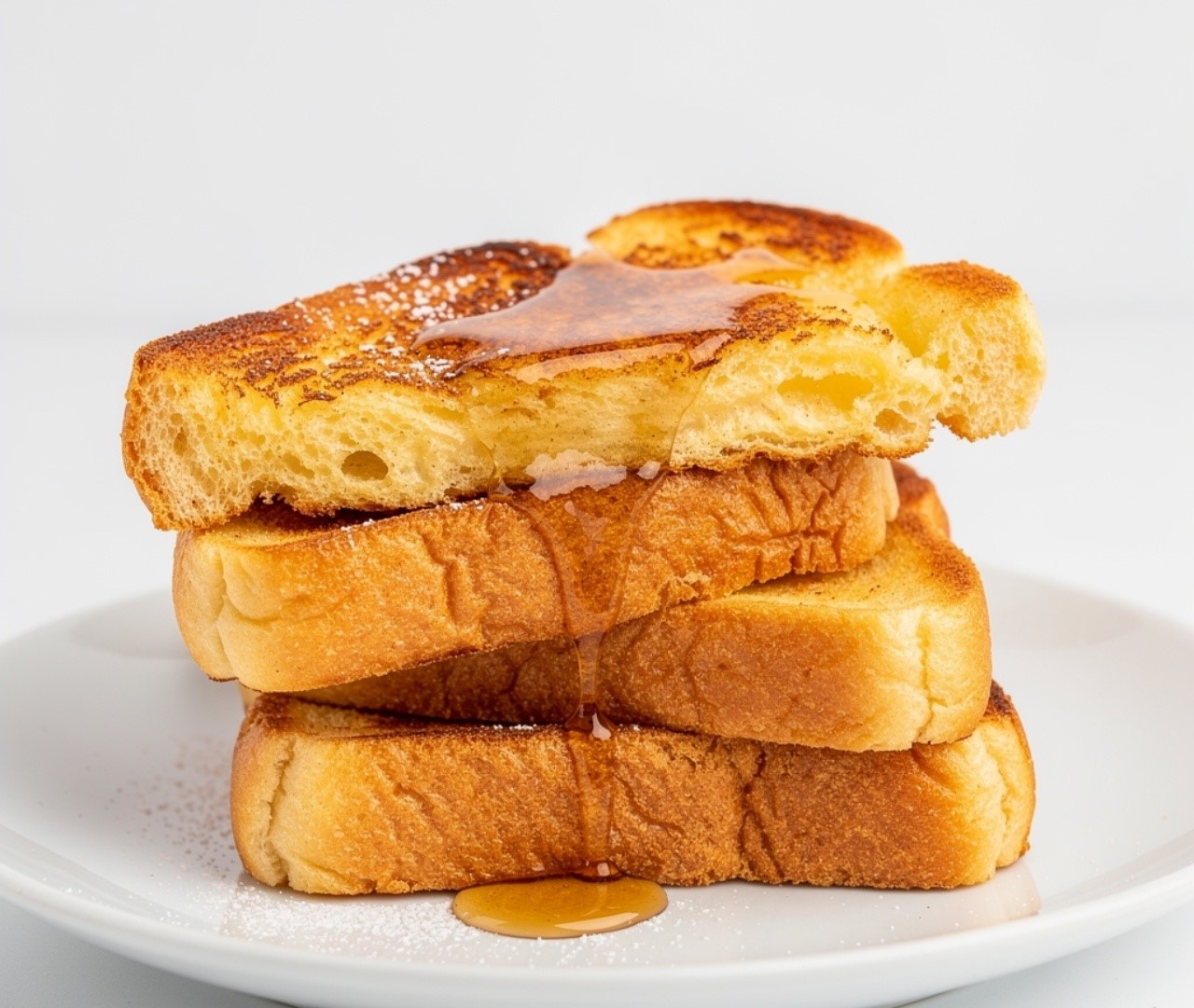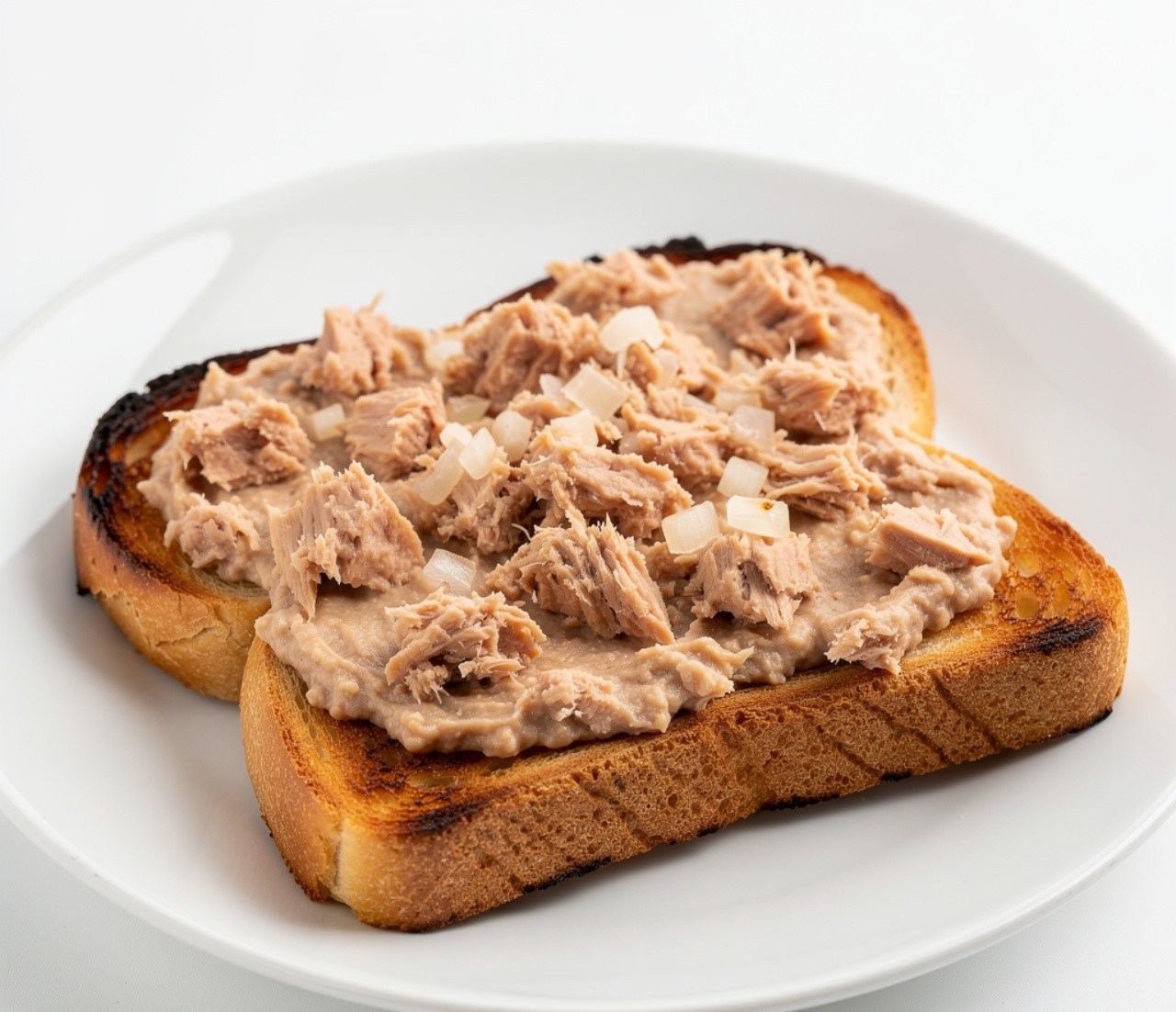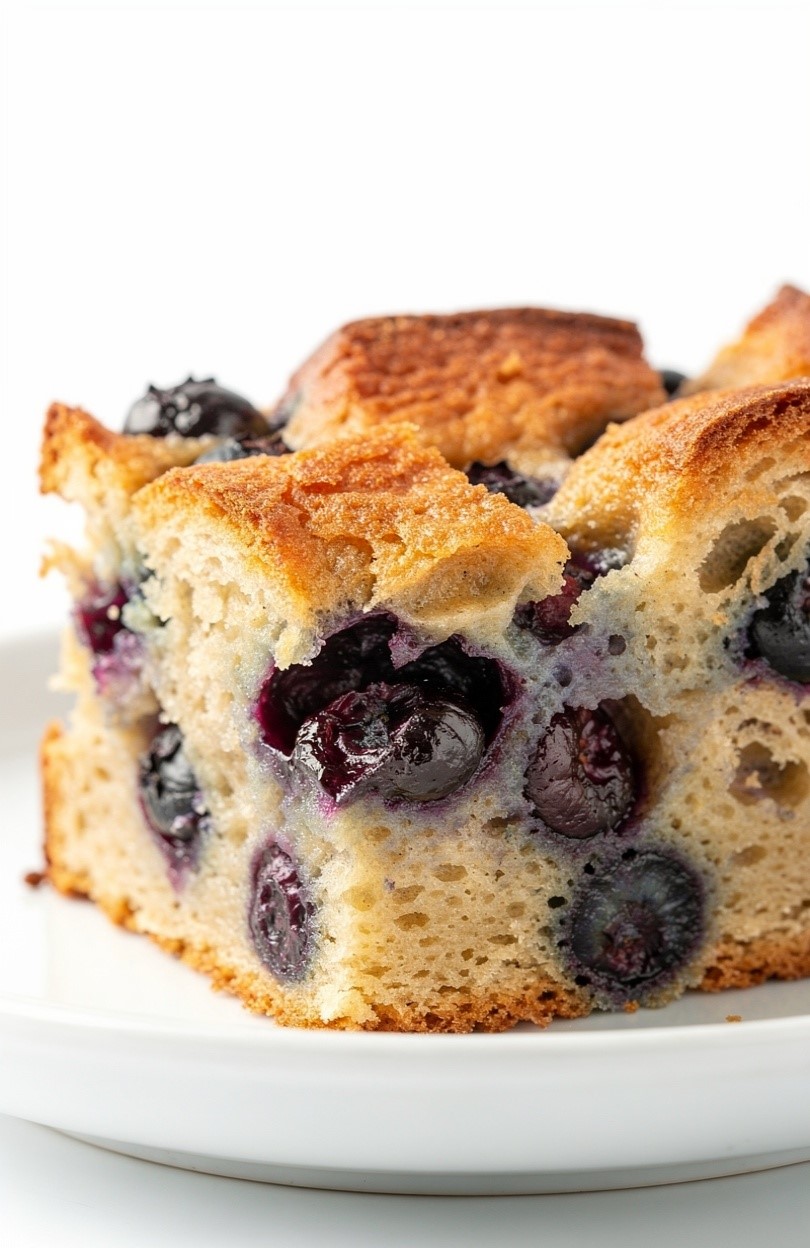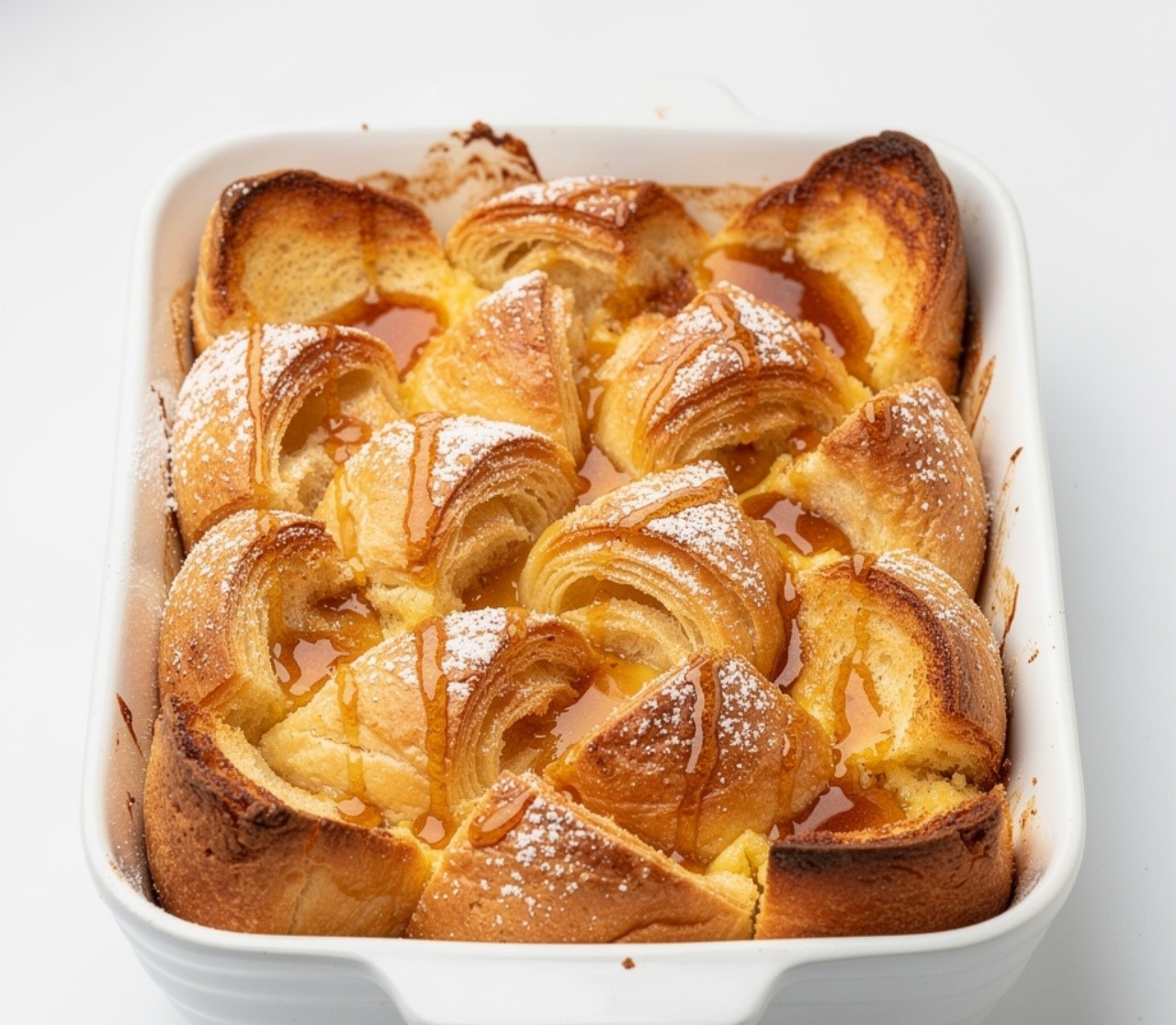
Toast Recipe
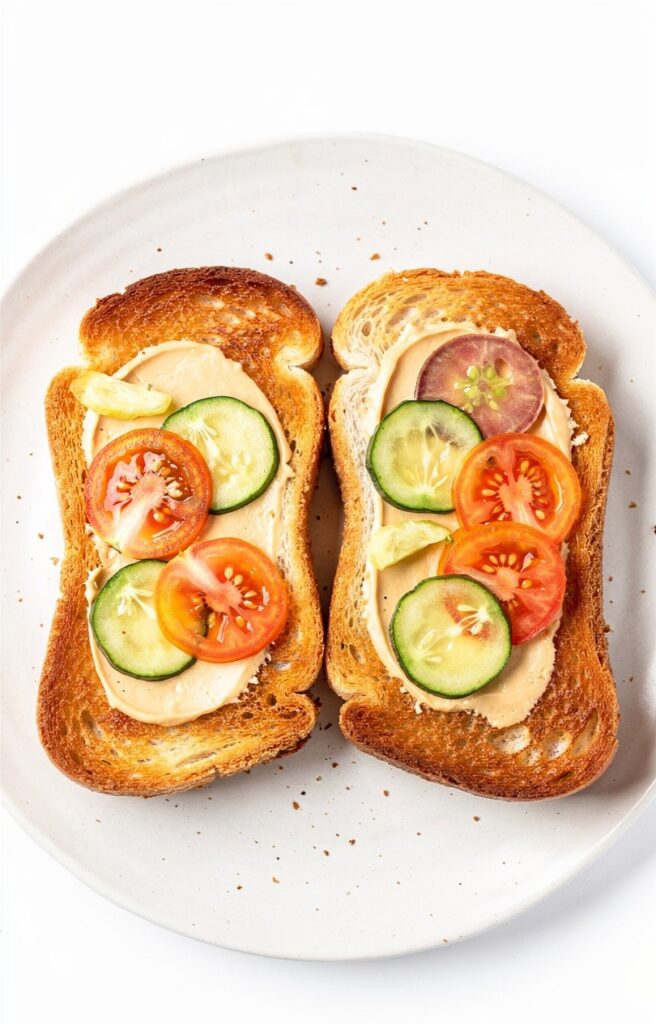
toast is one of those simple foods that fits into almost every kind of day. It can be crisp and buttery in the morning, soft and warm in the evening, or topped with anything you have in the kitchen when you want something quick. People love it because it takes very little effort but still feels comforting and satisfying. You can keep it plain or build it into something more filling depending on your mood. I often reach for toast when I want a fast bite without thinking too much about cooking. It works beautifully for busy mornings, light meals, or even a cozy late-night snack.
Why You Will Love This Recipe
This recipe is all about simplicity that actually works in real life. It uses basic ingredients, takes only minutes to prepare, and can be adjusted in so many ways depending on what you’re craving. Whether you want something light or more filling, toast always fits in without stress. It’s budget-friendly, easy to scale for one person or a whole family, and perfect for days when cooking feels like too much effort. The texture contrast between crisp edges and soft toppings makes every bite enjoyable. Toast also works well with leftovers, so nothing goes to waste. It’s cozy enough for quiet mornings but practical enough for busy evenings. Once you start making it regularly, it quietly becomes one of those everyday meals you rely on without even planning it.
Ingredients
Tip: Use fresh bread that is slightly firm so it crisps well without becoming too dry.
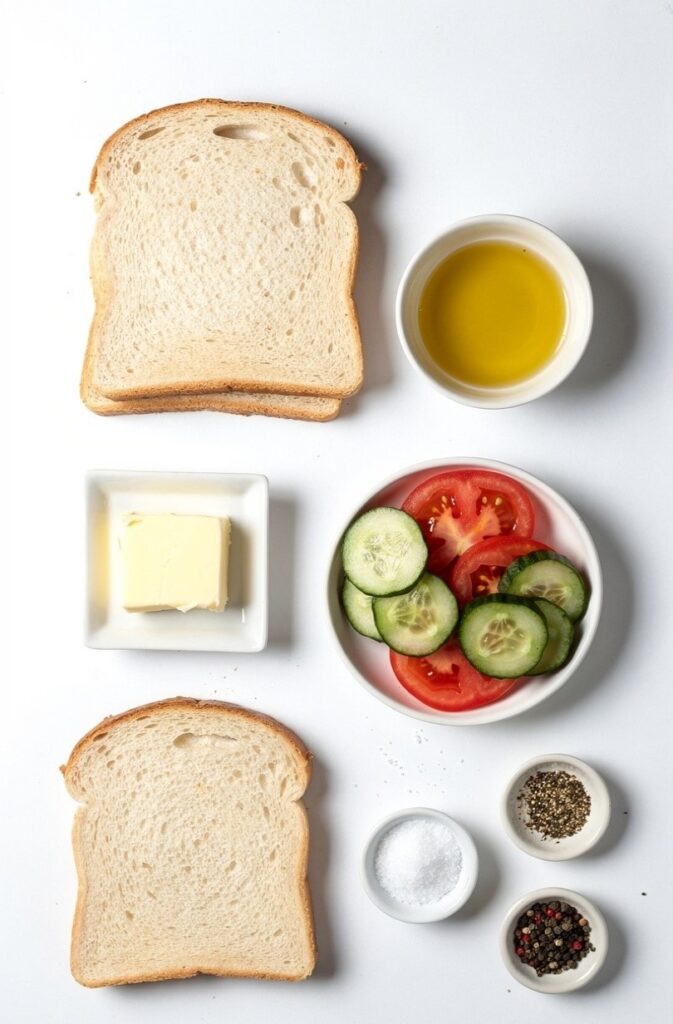
- 4 slices bread (white, whole grain, or sourdough)
- 2 tablespoons butter or olive oil
- 1/2 teaspoon salt (optional)
- 1/2 teaspoon black pepper (optional)
- 1 small clove garlic (optional, for rubbing)
- 1 tablespoon honey or jam (optional topping)
- 1/2 avocado (optional topping)
- 1 egg (optional topping)
Instructions
Step 1: Preparation
Start by taking your bread out and letting it sit for a moment so it’s easy to work with. Gather your toppings on the counter so everything feels ready. If you’re using avocado or egg, prepare them in advance. Slice ingredients neatly and keep them nearby. This small setup helps the whole toast process feel smooth and relaxed.
Step 2: Main Cooking Process
Heat a pan or toaster until warm and steady. Place bread slices in and toast until the surface turns golden and edges feel lightly crisp. The smell of warm bread starts to rise, soft but comforting. If using butter, spread it while the toast is still hot so it melts gently into the surface and adds richness.
Step 3: Combining Ingredients
Once the toast is ready, add your chosen toppings. Spread butter, avocado, or jam evenly so every bite feels balanced. If using savory options like egg, place them gently on top. The warmth of the bread slightly softens the toppings, helping everything blend together. Take your time arranging it so the texture and flavor feel natural and satisfying.
Step 4: Finishing & Final Simmer
Let the toast rest for a minute so the flavors settle. Sprinkle a pinch of salt or pepper if needed. This short pause helps everything come together without rushing. The edges stay crisp while the center stays soft and warm. Serve immediately while the texture contrast is still fresh, giving each bite that simple, homemade comfort feel.
Why This Recipe Works for Busy Days
This is the kind of food that fits into rushed mornings or tired evenings without any planning. It uses basic ingredients and comes together in minutes, which makes it perfect for days when cooking feels overwhelming. You can even prepare toppings ahead of time and just assemble when needed. Toast works well for quick meals, small snacks, or light dinners, making it a reliable option for busy routines.
Tips & Tricks
- Always toast bread on medium heat so it cooks evenly inside and out. High heat may burn the surface before the inside becomes crisp, leaving an uneven texture that doesn’t hold toppings well and feels too dry in some bites.
- Use slightly stale bread if you want extra crunch. Fresh bread can sometimes turn soft too quickly. Lightly aged slices absorb heat better and create a firmer base, which helps toppings stay in place without making the toast soggy.
- Add butter or spread immediately after toasting. The heat helps it melt naturally into the bread, creating richer flavor. Waiting too long means the surface cools and the spread won’t absorb properly, making the toast feel less smooth.
- Don’t overload toppings. Too many layers can make the toast heavy and difficult to eat. A balanced amount keeps the texture crisp and allows each flavor to be noticed clearly in every bite.
Variations
- Meaty version: Add sliced grilled chicken or shredded turkey on top of warm toast. The savory flavor pairs well with the crisp bread and makes it more filling. It’s a great option for lunch or when you want something more substantial without changing the simple base too much.
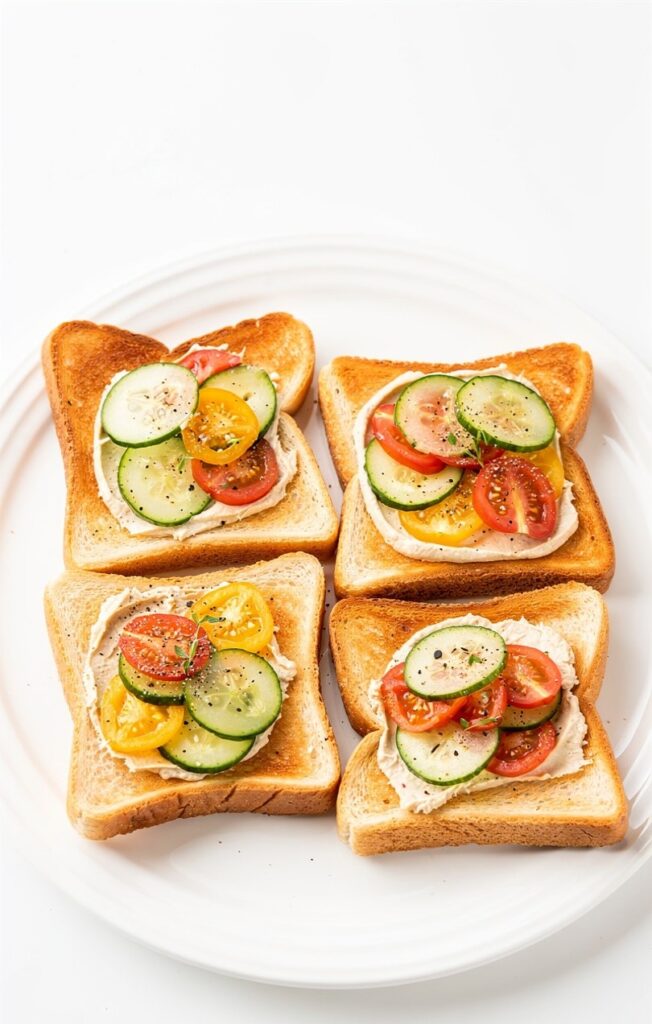
- Vegetarian option: Top with sautéed mushrooms, spinach, or sliced tomatoes. These ingredients add moisture and freshness while keeping the toast light. It’s a balanced option that feels wholesome and works well for both breakfast and evening meals.
- Ingredient swap: Replace regular bread with rye, multigrain, or gluten-free bread. Each one gives a different texture and taste, from earthy and dense to light and crisp, while still holding toppings well.
- Flavor or herb boost: Sprinkle fresh herbs like parsley, basil, or dill over the top. These add a fresh aroma and slightly brighter taste that lifts the overall flavor without making the recipe complicated.
Serving Suggestions
- Breakfast plate style: Serve toast with scrambled eggs or a soft-boiled egg on the side. The combination feels filling but still light, making it perfect for mornings when you want something simple yet balanced without spending too much time cooking.
- Light lunch pairing: Add a small salad with fresh greens and lemon dressing. The crisp vegetables balance the warm toast and create a refreshing contrast that works well for a quick midday meal.
- Cozy evening snack: Pair with warm soup like tomato or vegetable broth. The toast adds crunch while the soup brings warmth, making it a comforting option for relaxed evenings at home.
- Family-style spread: Serve multiple toast variations on a tray with different toppings. This makes it easy for everyone to choose their favorite and creates a casual, sharing-style meal without extra effort.
Storage Instructions
- Fridge storage: Store leftover toppings separately in airtight containers. Bread should not be stored after toasting as it loses texture quickly. Keep ingredients like avocado or cooked vegetables chilled and use within 24 hours for best freshness and taste.
- Reheating: Toast bread again in a pan or toaster to bring back crispness. Avoid microwaving as it softens the texture. Once reheated, add fresh toppings so the flavor and structure stay balanced and enjoyable.
- Freezing: Bread slices can be frozen in advance and toasted directly from frozen. This keeps them fresh for longer periods. Avoid freezing assembled toast, as toppings lose texture and moisture balance after thawing.
- Make-ahead tips: Prepare toppings like spreads, sliced vegetables, or cooked proteins ahead of time. Store them in separate containers so you can quickly assemble toast whenever needed without extra preparation.
Recipe Timing
Prep Time: 5–7 minutes
Cook Time: 3–5 minutes
Rest Time: 1–2 minutes
Total Time: 10–12 minutes
Nutrition Information
Calories: 180–320 per serving (depending on toppings and bread type).
Protein: 4–10 g per serving.
Key nutrients may include fiber, healthy fats, and carbohydrates. Values are approximate and can vary based on portion size and ingredients used. This is a general estimate and not exact nutritional data.
FAQs
Can I make toast ahead of time?
It’s best eaten fresh, but toppings can be prepared ahead and assembled quickly when needed.
What is the most common mistake?
Using high heat that burns the outside while leaving the inside unevenly toasted.
Can I change the bread type?
Yes, any sturdy bread like multigrain, rye, or gluten-free works well.
Why does my toast turn soft quickly?
It may have too many wet toppings or was left to sit too long after toasting.
Can I store leftover toast?
It’s not recommended, but ingredients can be stored separately and used fresh later.
How can I adjust the flavor?
Add salt, pepper, herbs, or sweet spreads depending on whether you want a savory or sweet taste.
Conclusion
Toast is one of those simple foods that quietly fits into everyday life without effort. It can be light or filling, sweet or savory, depending on what you add, which makes it easy to adjust for any moment of the day. You don’t need special ingredients or long cooking steps, just a few basics and a little creativity. It works for busy mornings, relaxed evenings, or quick snacks in between. Once you get comfortable with it, toast becomes something you naturally return to again and again. It’s flexible, familiar, and always ready when you need something simple and satisfying.
Toast Recipe
Course: Breakfast Toast Recipes2
servings5
minutes3
minutes300
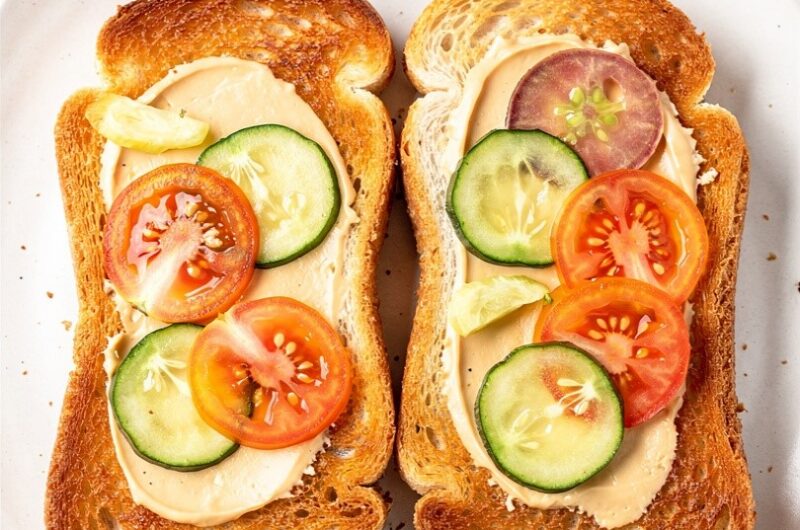
kcalSimple, crispy toast made with fresh bread and easy toppings. Quick to prepare, versatile, and perfect for breakfast, snacks, or light meals any time of the day.
Ingredients
4 slices bread
2 tablespoons butter or olive oil
Salt and black pepper (optional)
1 clove garlic (optional)
Optional toppings: avocado, egg, jam, honey
Directions
- Gather all ingredients and prepare toppings.
- Toast bread in a pan or toaster until golden and crisp.
- Spread butter or chosen toppings while bread is warm.
- Add final seasoning and serve immediately.