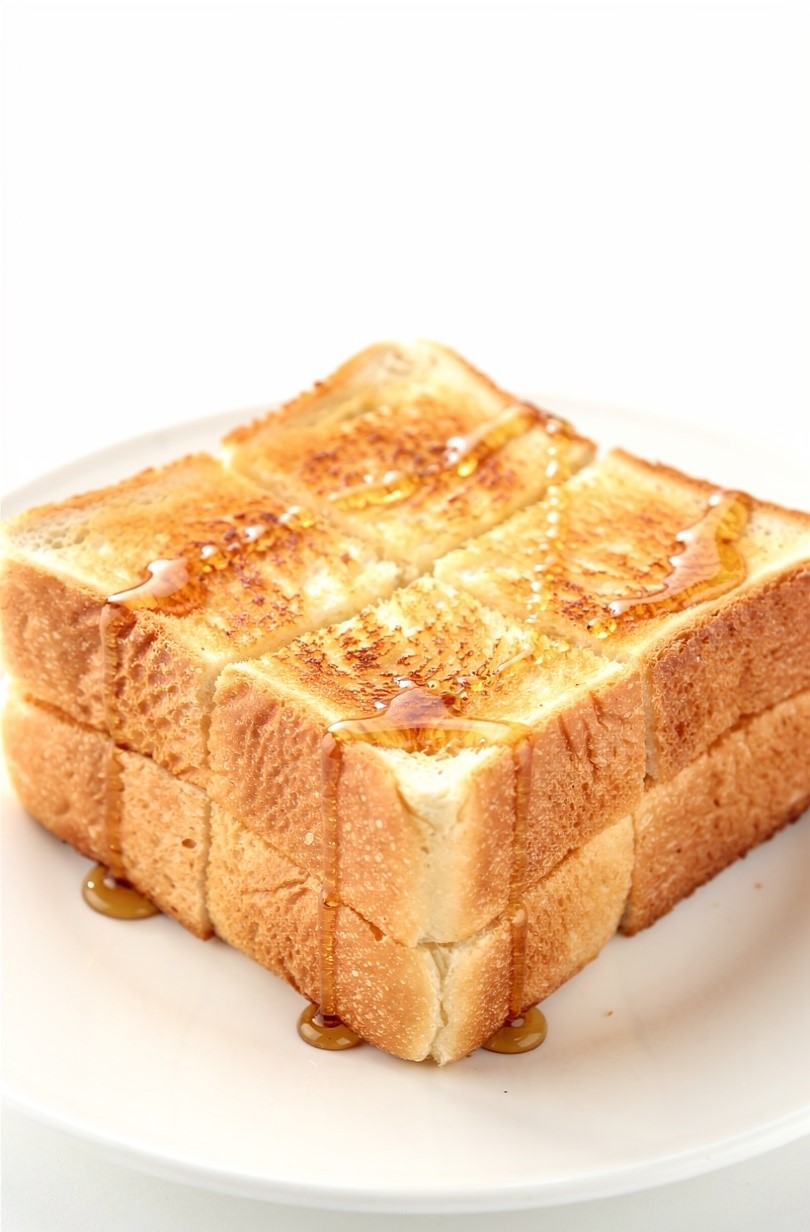
Overnight French Toast Casserole
There’s something comforting about waking up to a warm, sweet breakfast that’s already prepared. That’s exactly why this overnight french toast casserole is so loved. It turns simple bread, eggs, and milk into a soft, custardy bake that feels cozy and homemade with very little morning effort. I usually assemble it the night before when mornings feel rushed or when I know family is coming over. By the time it bakes, the kitchen fills with a soft cinnamon aroma that makes everyone gather around without being called twice.
Why You Will Love This Recipe
This dish brings together comfort and convenience in the easiest way. The bread soaks overnight, absorbing all the creamy custard so every bite becomes soft in the middle with a lightly crisp top. It works beautifully for weekends, holidays, or slow mornings when you want something warm without standing over the stove.
The overnight french toast casserole is also budget-friendly and flexible, using basic pantry ingredients you likely already have. It feeds a crowd easily, which makes it ideal for family breakfasts or casual gatherings. Leftovers reheat well, and the texture stays soft and satisfying. You can also adjust sweetness, add fruit, or change spices depending on what you have at home. It feels special without being complicated, and that’s what makes it a recipe worth keeping.
Ingredients
Tip: Slightly stale bread works best because it absorbs the custard without turning mushy.
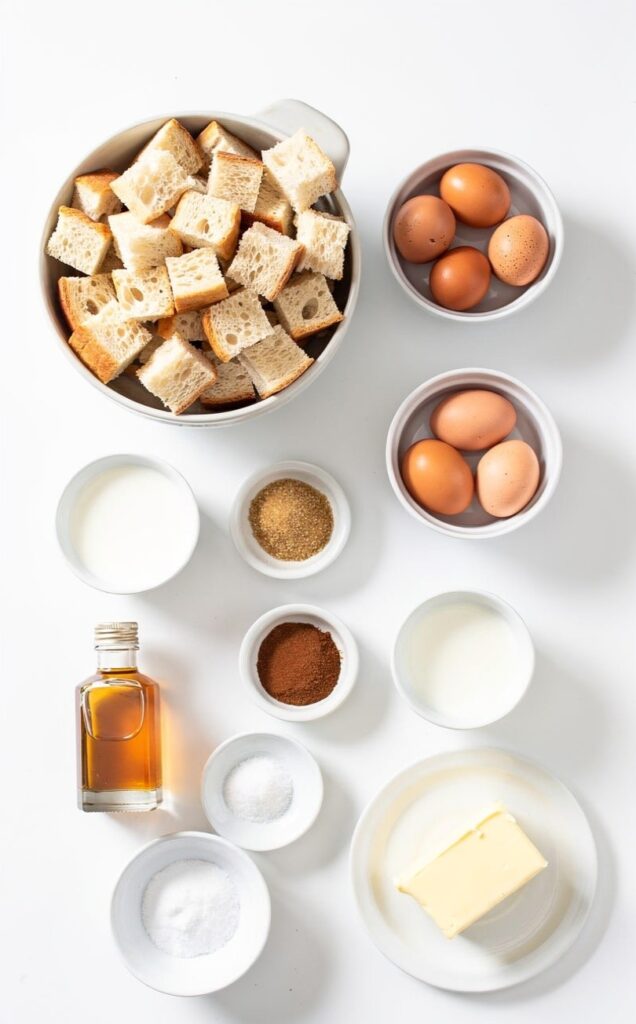
- 10 cups day-old brioche or white bread, cubed
- 6 large eggs
- 2 cups whole milk
- 1/2 cup heavy cream
- 1/2 cup brown sugar
- 2 teaspoons vanilla extract
- 1 1/2 teaspoons ground cinnamon
- 1/4 teaspoon salt
- 2 tablespoons butter (for greasing dish)
- Optional: maple syrup for serving
Instructions
Step 1: Preparation
Start by greasing a baking dish with butter so nothing sticks later. Cut the bread into even cubes and place them in the dish, slightly layered but not packed too tightly. In a large bowl, whisk eggs, milk, cream, sugar, vanilla, cinnamon, and salt until smooth and slightly frothy. Pour slowly over the bread so every piece begins to soak evenly. Cover and let it rest overnight in the fridge.
Step 2: Main Cooking Process
In the morning, take the dish out and let it sit at room temperature while the oven warms up. The bread will look soft and fully soaked, almost pudding-like in texture. Preheat the oven and gently press the top layer down so it absorbs any remaining liquid. The smell of cinnamon will already start to come through as it warms.
Step 3: Combining Ingredients
Make sure the custard has settled evenly through the bread layers. If any dry spots appear on top, spoon a little liquid from the bottom over them. This helps create a uniform texture after baking. The mixture should look rich, thick, and slightly glossy before going into the oven.
Step 4: Finishing & Final Simmer
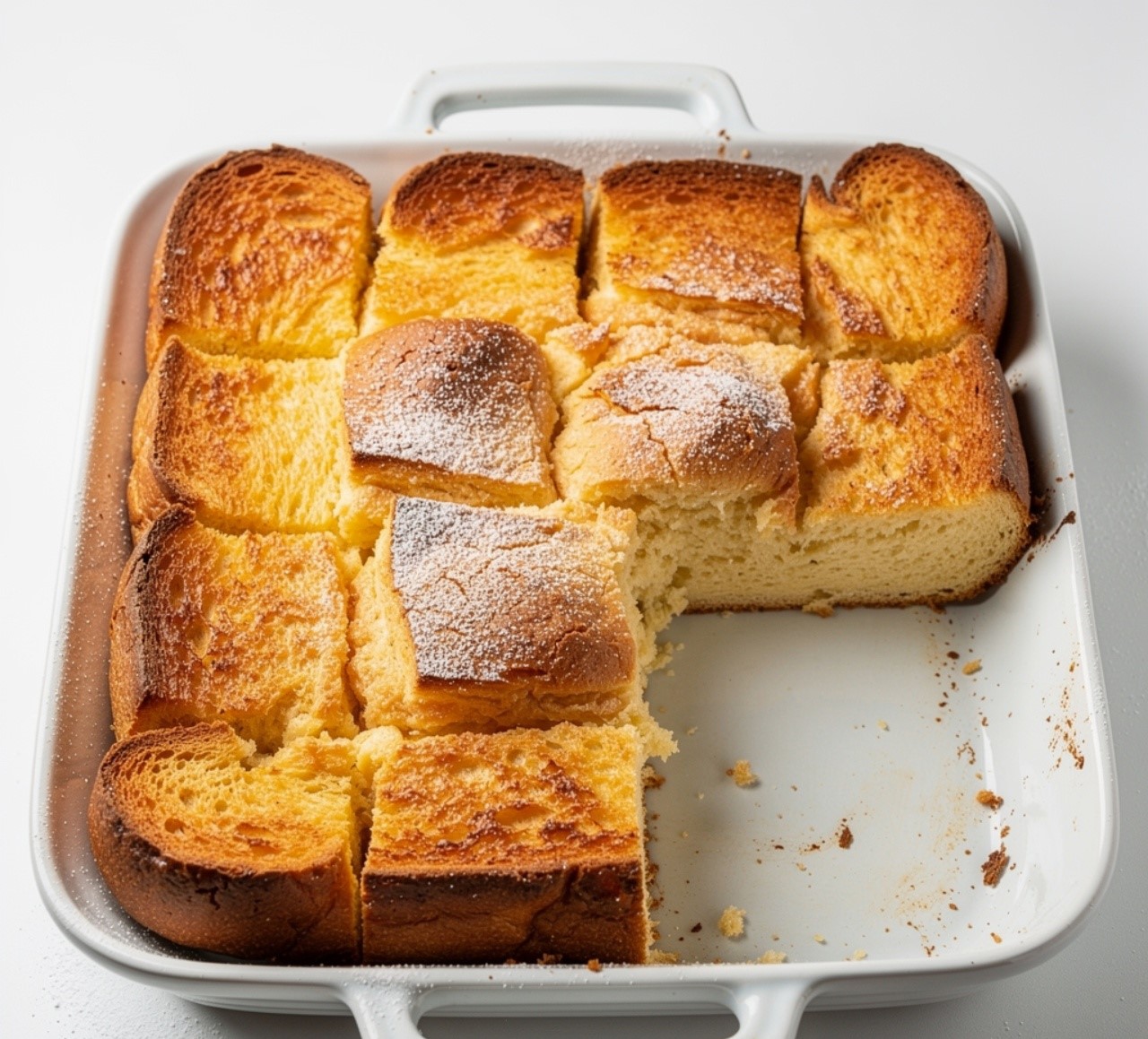
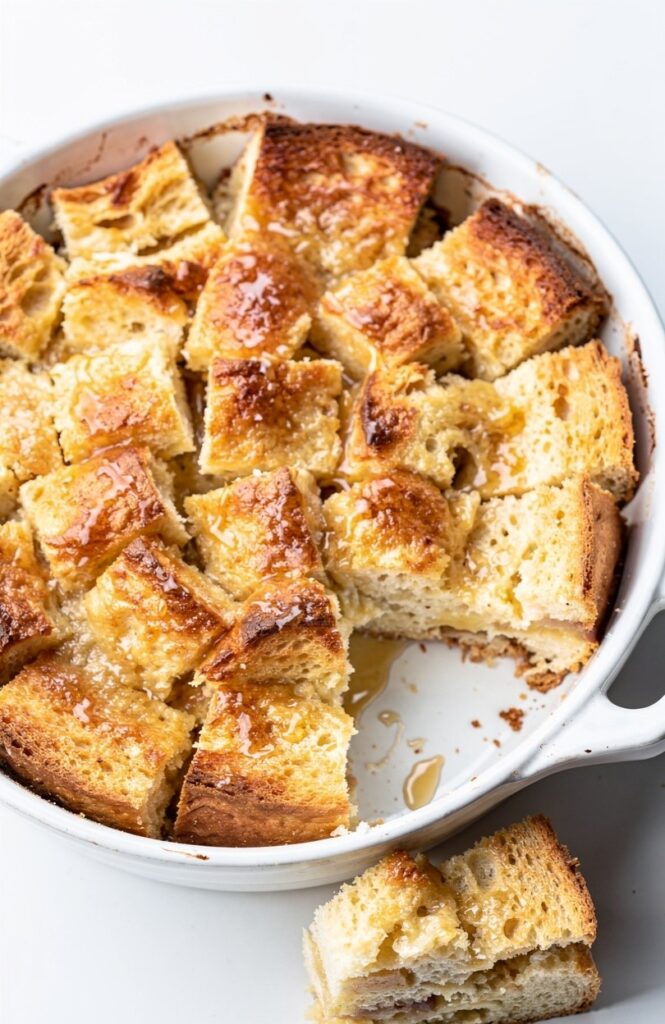
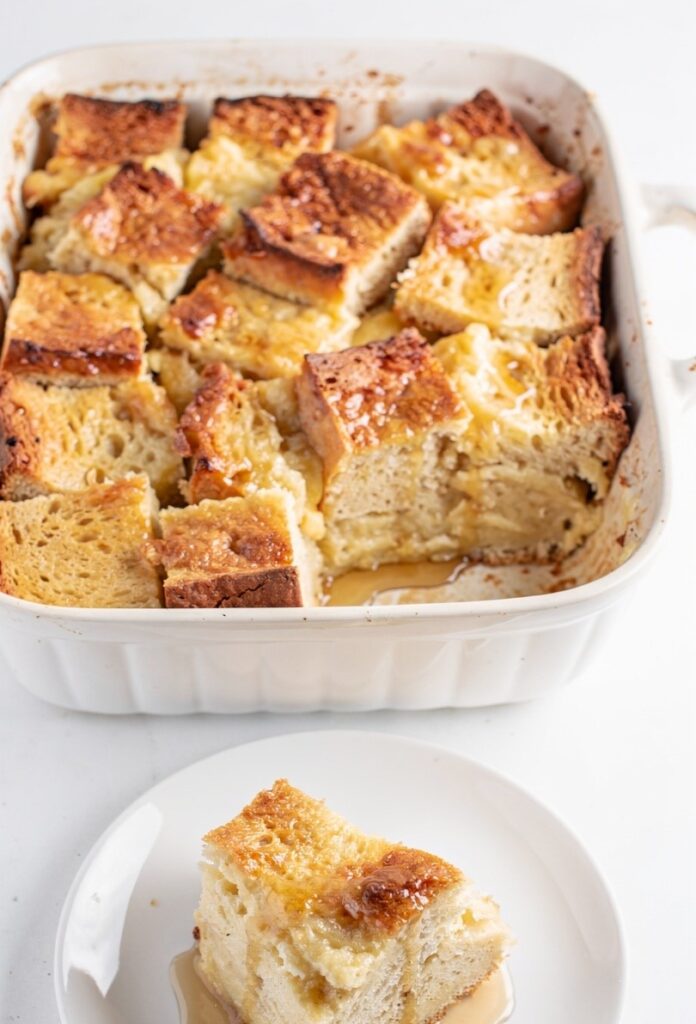
Bake until the top turns golden and lightly crisp while the center stays soft and set. The edges will rise slightly and smell warm and sweet. Let it rest a few minutes after baking so it firms up gently. Slice and serve warm with syrup or fruit for a cozy finish.
Why This Recipe Works for Busy Days
This casserole saves time because everything is prepared the night before. In the morning, you only need to bake it while you get ready or enjoy coffee. It’s great for meal prep and feeding multiple people without extra effort. Leftovers can be stored and reheated easily, making mornings feel calmer and more organized.
Tips & Tricks
- Bread choice matters more than people think. Soft, airy bread like brioche or challah absorbs the custard evenly and creates a soft texture. If the bread is too fresh, it may become soggy, so letting it sit out for a few hours helps improve structure.
- Don’t rush the soaking time. Overnight resting allows the custard to fully absorb into every cube. Skipping this step often leads to dry centers and uneven baking, so patience here makes a noticeable difference in texture and flavor.
- Balance sweetness carefully. Brown sugar gives depth, but adding too much can make the casserole overly heavy. Taste the custard mixture before pouring to ensure it feels gently sweet rather than overpowering.
- Let it rest after baking. Cutting too soon can make the casserole fall apart. Waiting a few minutes allows it to settle, making cleaner slices and a softer, more balanced texture.
Variations
Meaty Version
Add cooked turkey bacon or breakfast sausage between the bread layers before pouring the custard. The savory flavor blends with the sweet base, creating a richer breakfast bake. It works especially well for hearty brunches or when you want something more filling without changing the main method.
Vegetarian Option
Keep it simple with fresh fruit like blueberries, strawberries, or sliced bananas layered into the dish. The fruit softens while baking and adds natural sweetness. A sprinkle of nuts on top after baking gives a light crunch and makes it feel fresh and balanced.
Ingredient Swap
You can replace white bread with croissants or whole wheat bread for a different texture. Almond milk or oat milk can also be used instead of dairy milk. Each swap slightly changes flavor and richness but keeps the same comforting structure.
Flavor or Herb Boost
Add nutmeg, cardamom, or orange zest to the custard for a deeper aroma. These small additions change the flavor profile without complicating the recipe. A hint of vanilla bean paste can also make the dish feel more fragrant and warm.
Serving Suggestions
Cozy Family Breakfast
Serve warm slices with scrambled eggs and fresh fruit on the side. The soft texture of the casserole pairs well with savory proteins, making it a balanced morning meal that feels comforting and filling for everyone at the table.
Brunch Table Favorite
Place the casserole in the center of a brunch spread with pancakes, yogurt bowls, and fresh berries. It holds its warmth well and becomes the highlight of a relaxed weekend gathering with family or friends.
Sweet Comfort Plate
Top each slice with whipped cream, syrup, and a light dusting of cinnamon. This version feels extra cozy on cold mornings and works beautifully when you want a more dessert-style breakfast without extra effort.
Light Afternoon Meal
Pair smaller portions with tea or coffee for a soft afternoon bite. It’s gentle, not too heavy, and works well when you want something warm and homemade later in the day without cooking from scratch.
Storage Instructions
Fridge Storage
Once cooled, cover the casserole tightly or store slices in airtight containers. Keep in the refrigerator for up to 3–4 days. The texture stays soft, though the top may lose a bit of crispness over time. It’s best stored in portions for easier reheating.
Reheating
Warm slices in the oven or toaster oven until heated through. This helps restore some of the crisp top while keeping the center soft. Avoid microwaving for too long, as it can make the texture overly wet or rubbery.
Freezing
Cut into portions and wrap individually before freezing. Store in a freezer-safe bag for up to 2 months. Reheat directly from frozen in the oven for best texture. This keeps the flavor intact while saving time on busy mornings.
Make-ahead tips
Prepare the full custard and bread mixture the night before and refrigerate overnight. You can also assemble the entire dish a day in advance, making it ready to bake whenever needed. This makes it ideal for holidays or busy mornings.
Recipe Timing
Prep Time: 15 minutes
Cook Time: 40–45 minutes
Rest Time: Overnight (8 hours)
Total Time: About 9 hours including rest
Nutrition Information
Each serving contains about 280–380 calories depending on bread and add-ins. Protein ranges from 10–14 grams per serving. It also provides calcium from milk and essential fats from eggs and cream. These values are estimates and may vary based on portion size and ingredients used.
FAQs
Can I make it fully ahead of time?
Yes, it’s designed to rest overnight and bake the next morning.
Why is my casserole soggy in the middle?
It may need more baking time or slightly less milk in the custard.
Can I use different bread?
Yes, brioche, challah, or croissants all work well.
Why is the top not crisp?
Bake uncovered and ensure the oven is fully preheated.
How long does it last in the fridge?
It stays fresh for 3–4 days when stored properly.
Can I adjust sweetness?
Yes, reduce or increase sugar depending on preference.
Conclusion
This breakfast bake brings comfort without effort, making it perfect for slow mornings or busy family days. You can customize it easily with fruit, spices, or simple swaps depending on what you have in your kitchen. The beauty of this overnight french toast casserole is how it turns basic ingredients into something warm and inviting with almost no morning stress. It’s the kind of recipe you can rely on again and again, especially when you want something homemade that feels thoughtful but simple.

Overnight French Toast Casserole
Course: Breakfast Toast Recipes8
servings15
minutes40
minutes300
kcalA soft, cozy breakfast bake made with bread soaked in a creamy cinnamon egg mixture overnight.
Perfect for stress-free mornings, family breakfasts, or weekend brunch.
Ingredients
10 cups day-old bread, cubed (brioche or white bread)
6 large eggs
2 cups milk
1/2 cup heavy cream
1/2 cup brown sugar
2 tsp vanilla extract
1 1/2 tsp cinnamon
1/4 tsp salt
2 tbsp butter (for greasing)
Maple syrup (for serving)
Directions
- Grease a baking dish with butter. Add bread cubes evenly inside.
- In a bowl, whisk eggs, milk, cream, sugar, vanilla, cinnamon, and salt until smooth.
- Pour the mixture evenly over the bread. Press lightly so it soaks in well.
- Cover and refrigerate overnight.
- In the morning, remove and let it sit for 15–20 minutes.
- Bake at 175°C (350°F) for 40–45 minutes until golden and set.
- Let it rest for a few minutes, then serve warm with syrup.