Baked French Toast Casserole
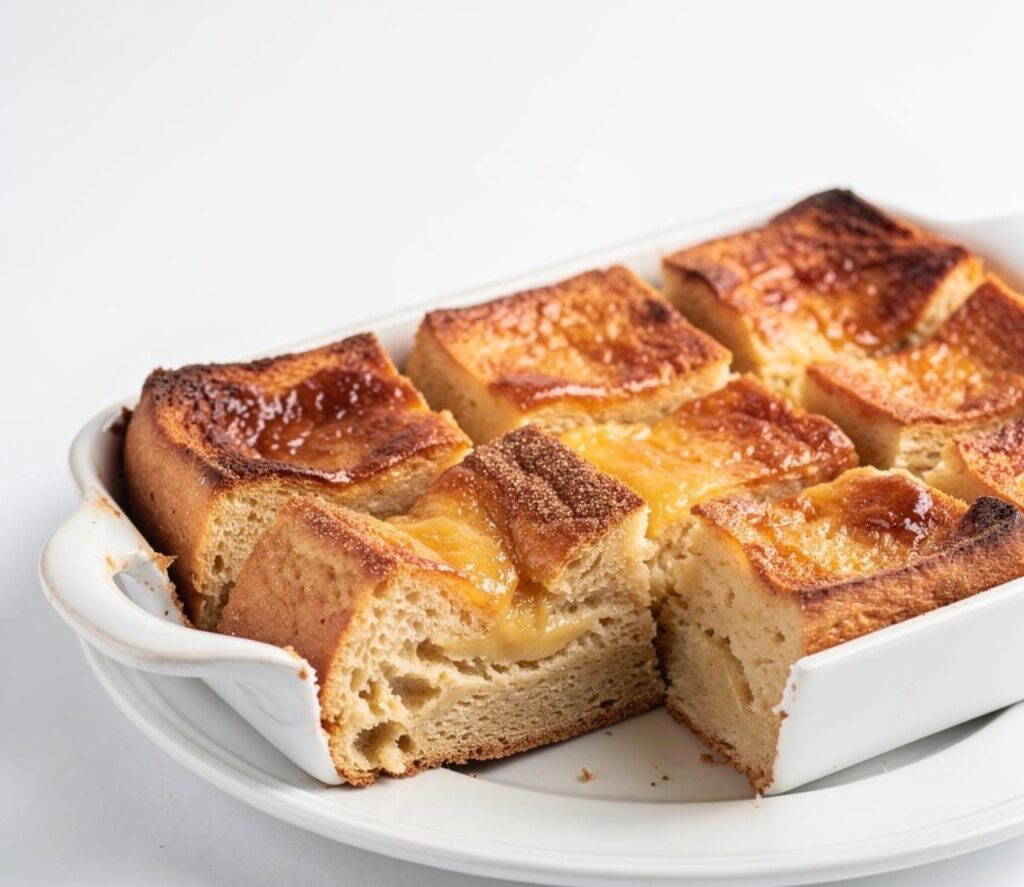
baked french toast casserole is one of those cozy breakfast dishes that feels like a warm hug on a busy morning. It turns simple bread, eggs, milk, and a little sweetness into a soft, custardy bake that’s perfect for sharing. I like making it when I want something comforting without standing over the stove. It’s great for family mornings, lazy weekends, or even holiday brunch tables. The best part is how everything comes together in one dish, so there’s less mess and more time to enjoy. This baked french toast casserole is easy, satisfying, and always feels special without extra effort.
Why You Will Love This Recipe
This baked french toast casserole is the kind of recipe that makes mornings feel easier and calmer. It uses simple pantry ingredients, yet the result tastes rich, soft, and comforting. You can prepare it ahead of time, which is perfect for busy weekdays or relaxed weekends when you don’t want to rush. It’s also very flexible, so you can adjust sweetness or add your favorite toppings. Leftovers reheat beautifully, making it great for meal planning. Whether you’re cooking for family or guests, this baked french toast casserole always feels warm, cozy, and crowd-pleasing without being complicated.
Ingredients
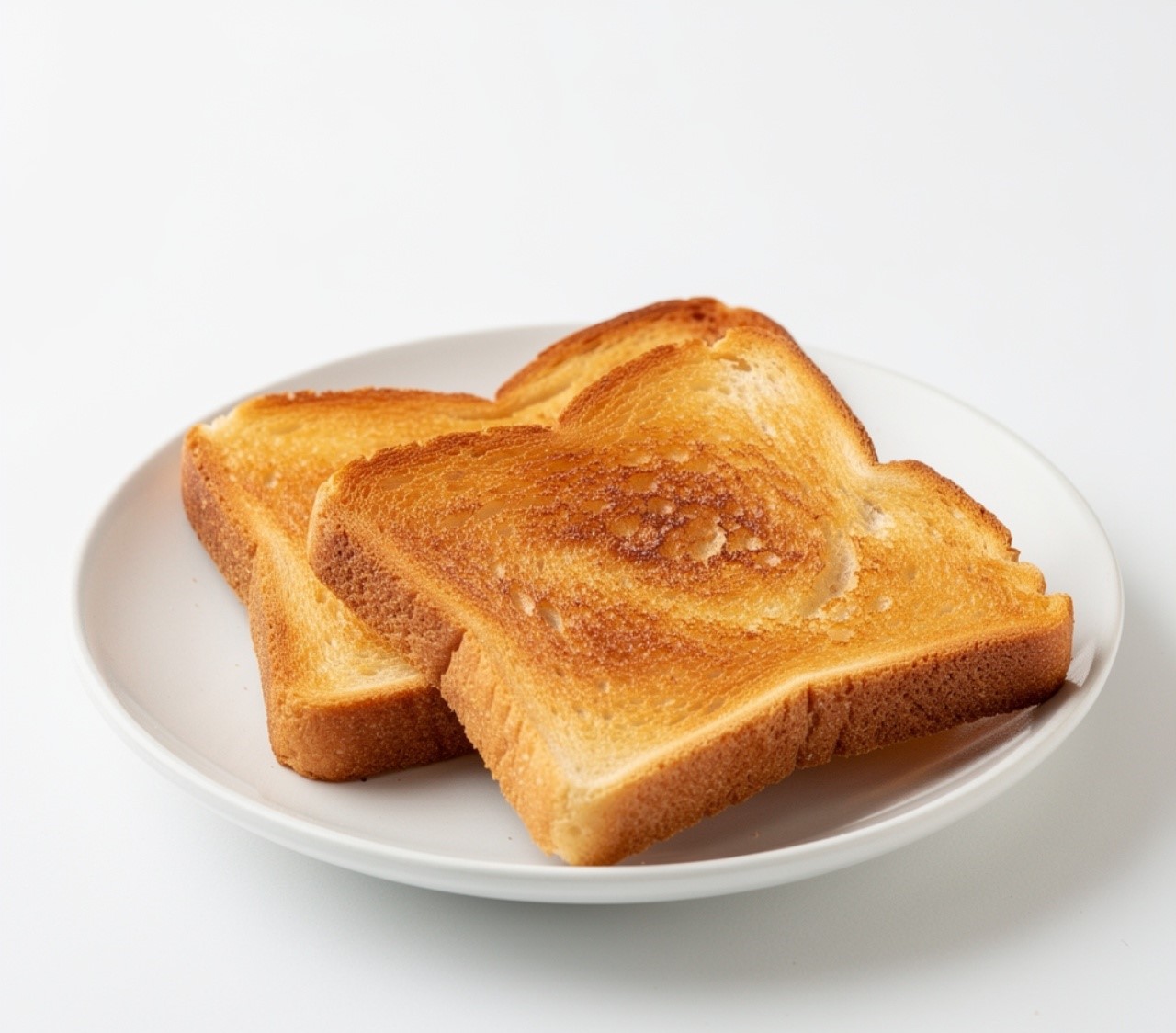
Tip: Slightly stale bread works best because it absorbs the custard mixture without becoming too mushy.
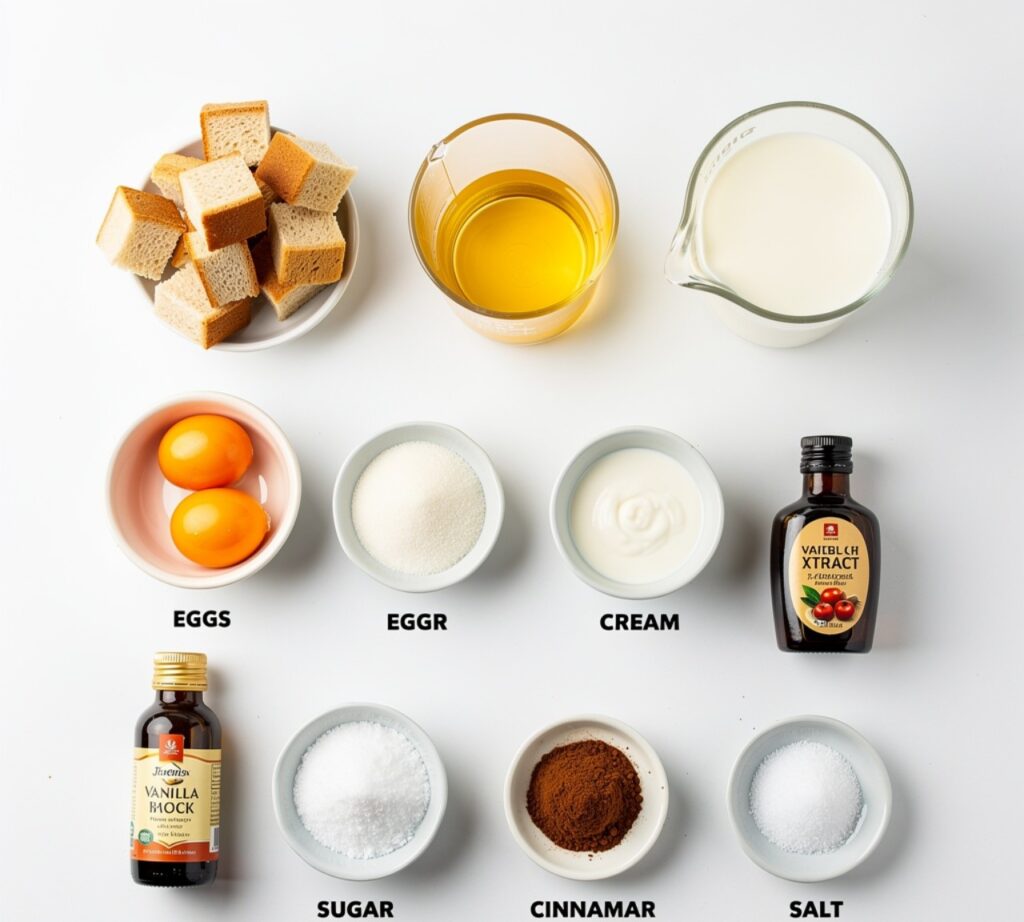
- 1 loaf thick bread (brioche or French bread), cut into cubes
- 6 large eggs
- 2 cups milk
- 1/2 cup heavy cream
- 1/2 cup sugar
- 2 teaspoons vanilla extract
- 1 teaspoon ground cinnamon
- 1/4 teaspoon salt
- 2 tablespoons butter (for greasing dish)
Instructions
Step 1: Preparation
Start by cutting the bread into even cubes so it bakes evenly and absorbs the custard well. Lightly grease a baking dish with butter to prevent sticking. In a large bowl, whisk eggs, milk, cream, sugar, vanilla, cinnamon, and salt until smooth. The mixture should look creamy and slightly frothy, ready to soak into the bread completely.
Step 2: Main Cooking Process
Place the bread cubes into the prepared baking dish, spreading them out evenly. Pour the egg mixture slowly over the bread, making sure every piece gets coated. Gently press the bread down with a spoon so it absorbs the liquid. Let it sit for about 10–15 minutes so the flavors soak in properly.
Step 3: Combining Ingredients
Once the bread has soaked, give it a light stir to ensure the custard is evenly distributed. Some pieces will look more saturated than others, which is normal. If desired, sprinkle a little extra cinnamon on top for added warmth. The mixture should look soft, thick, and evenly combined before baking.
Step 4: Finishing & Final Simmer
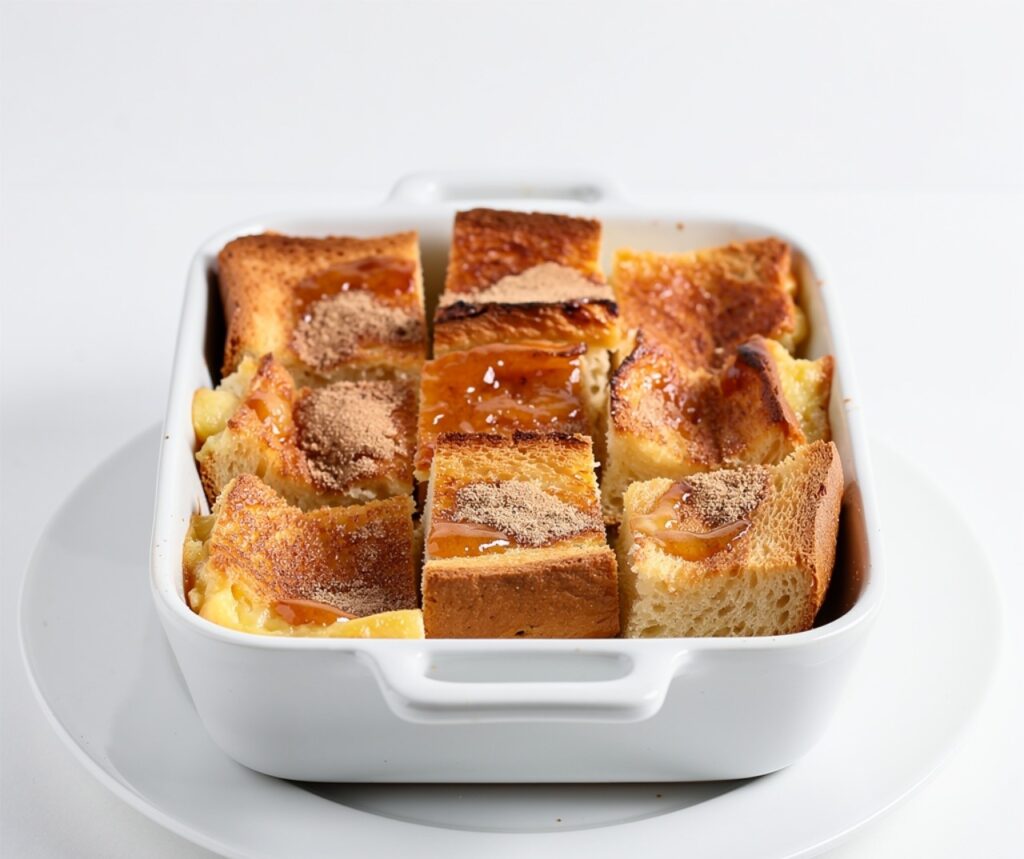
Bake in a preheated oven at 350°F (175°C) for 35–45 minutes until the top is golden and the center is set but still slightly soft. The edges should look lightly crisp. Let it rest for a few minutes before serving so it firms up slightly and becomes easier to slice and serve warm.
Why This Recipe Works for Busy Days
This baked french toast casserole is perfect for busy mornings because you can assemble it the night before and bake it fresh when needed. It saves time, reduces morning stress, and still gives you a warm homemade meal. It also stores well, so leftovers can be enjoyed later without losing flavor or texture.
Tips & Tricks
- Use slightly dry bread so it soaks up the custard better without turning soggy. Fresh bread can become too soft, so leaving it out for a few hours helps improve texture and gives a better baked result overall.
- Let the mixture rest before baking so the bread fully absorbs the egg mixture. Skipping this step can lead to uneven texture where some parts stay dry while others become too wet or dense.
- Don’t overbake or the casserole may turn dry. Watch for a golden top and a slightly soft center that sets as it cools. Every oven is different, so keep an eye near the end.
- Add toppings like nuts or fruit after baking instead of before if you want them fresh and slightly crisp. Adding too early can make them too soft or overly browned.
Variations
- Meaty version: Add cooked breakfast sausage or crispy bacon pieces between the bread layers before pouring the custard. This gives a savory balance to the sweet base and makes it more filling for brunch or dinner-style breakfasts without changing the core texture of the dish.
- Vegetarian option: Keep the base simple and add fresh fruits like apples, berries, or bananas. These add natural sweetness and moisture while keeping the dish light and fresh. It’s a great option for a fruit-forward breakfast bake that still feels comforting and warm.
- Ingredient swap: Replace regular milk with almond milk or oat milk for a lighter version. You can also use coconut sugar instead of white sugar for a slightly deeper flavor. These swaps keep the recipe flexible without affecting the soft baked texture.
- Flavor boost: Add orange zest, nutmeg, or maple extract to enhance the aroma and taste. These small additions make the dish feel more festive and slightly more fragrant without overpowering the classic custard flavor.
Serving Suggestions
- Maple Drizzle & Fresh Fruit: Serve warm slices with a light drizzle of maple syrup and fresh berries on the side. The sweetness of syrup pairs well with the soft custard texture, making it a comforting breakfast or brunch plate that feels simple yet satisfying.
- Yogurt & Honey Bowl: Pair with a small bowl of plain or vanilla yogurt topped with honey. This adds a creamy and slightly tangy contrast, balancing the sweetness of the casserole while keeping the meal light and refreshing for morning or afternoon servings.
- Coffee Breakfast Plate: Serve with a hot cup of coffee and a light side of nuts or granola. This creates a cozy breakfast plate that feels complete without being heavy, perfect for slow mornings or relaxed weekend routines with family.
- Brunch Platter Style: Add scrambled eggs or a simple fruit salad on the side. This turns the casserole into a full brunch spread, making it suitable for guests or family gatherings where you want a mix of sweet and savory options on the table.
Storage Instructions
- Fridge storage: Store leftovers in an airtight container once fully cooled. Keep in the refrigerator for up to 3–4 days. The texture stays soft, and flavors deepen slightly over time, making it even more enjoyable the next day when reheated properly.
- Reheating: Warm individual portions in the microwave for 30–60 seconds or reheat in the oven at low temperature. Add a small splash of milk if needed to bring back softness and prevent the casserole from drying out during reheating.
- Freezing: Freeze in portioned slices wrapped tightly in plastic wrap and placed in a freezer-safe container. It can last up to 2 months. Thaw overnight in the fridge before reheating for best texture and flavor retention.
- Make-ahead tips: Assemble everything the night before, cover, and refrigerate. Bake fresh in the morning. This helps the bread fully absorb the custard and saves time, making it ideal for busy mornings or planned brunch events.
Recipe Timing
Prep Time: 15 minutes
Cook Time: 40 minutes
Rest Time: 10–15 minutes
Total Time: About 1 hour
Nutrition Information
One serving of baked french toast casserole contains about 280–380 calories, depending on ingredients used. It provides 8–12g protein from eggs and milk, along with carbohydrates for energy. It also contains calcium and small amounts of healthy fats. These values are estimates and may vary based on portion size and ingredient choices.
FAQs
Can I make it ahead of time?
Yes, you can assemble it the night before and bake it in the morning for best results.
Why is my casserole soggy?
It may need more baking time or slightly drier bread to absorb the custard properly.
Can I use different bread?
Yes, brioche, French bread, or challah all work well depending on texture preference.
How do I fix a dry casserole?
Add a small splash of milk before reheating to restore moisture.
How long can I store leftovers?
Up to 3–4 days in the refrigerator when properly sealed.
Can I adjust sweetness?
Yes, simply reduce or increase sugar based on your taste preference.
Conclusion
baked french toast casserole is one of those comforting recipes that fits into almost any routine. It’s simple to prepare, flexible with ingredients, and perfect for sharing with family or friends. Whether you enjoy it fresh from the oven or as leftovers the next day, it always brings a soft, cozy feel to the table. You can easily adjust flavors or toppings to match your mood or season. This baked french toast casserole is a reliable dish you’ll likely come back to again whenever you want something warm, easy, and satisfying without much effort.
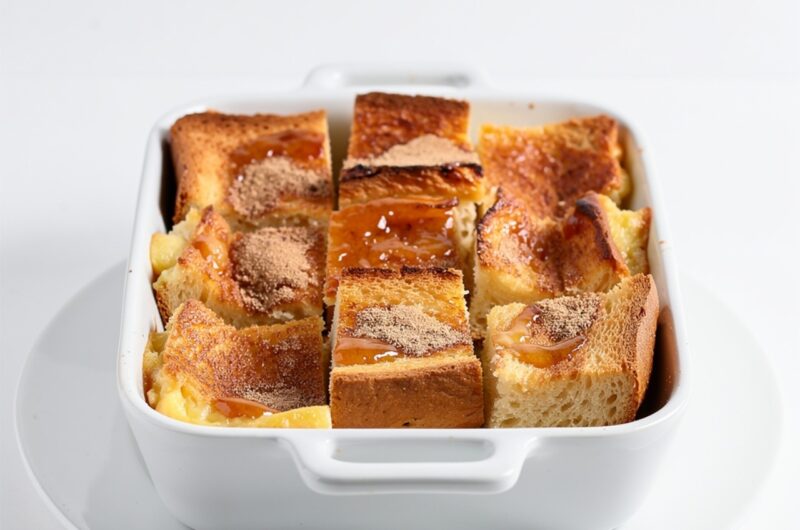
Baked French Toast Casserole
Course: Breakfast Toast Recipes6
servings15
minutes40
minutes300
kcalA warm and cozy baked breakfast dish made with bread, eggs, milk, and vanilla. Soft, custardy, and perfect for family mornings or brunch gatherings.
Ingredients
1 loaf bread (brioche or French bread), cubed
6 eggs
2 cups milk
1/2 cup cream
1/2 cup sugar
2 tsp vanilla
1 tsp cinnamon
1/4 tsp salt
2 tbsp butter
Directions
- Preheat oven to 350°F (175°C) and grease baking dish.
- Cut bread into cubes and place in dish.
- Whisk eggs, milk, cream, sugar, vanilla, cinnamon, salt.
- Pour mixture over bread and let soak 10–15 minutes.
- Bake for 35–45 minutes until golden and set.
- Rest before serving.